On this page · 8 sections6 min read
What a life coach does
A life coach helps a client clarify a goal, examine obstacles, choose actions, and review what happened between conversations. The work is collaborative: the client makes decisions rather than receiving a diagnosis or a prescribed life plan. The International Coaching Federation’s description of coaching places professional coaching skills and ethical practice at the center of its entry credential.
For an aspiring practitioner, the useful question is which conversations you want to become competent to hold. A career-transition practice might focus on decisions and accountability, while leadership coaching may involve an employer paying for sessions. In the latter case, decide in advance what the sponsor can learn about progress and what stays confidential between coach and client.
A practical first service could be a structured goal-setting engagement with a written scope, an intake conversation, and a review of progress. Avoid beginning with an unlimited promise to improve every area of someone’s life. A narrow engagement makes it easier to explain your competence and recognize when the client needs another professional.

Do you need a license or certification?
An ICF credential is a professional credential, not a state healthcare license. The ICF sources cited here do not establish a nationwide government licensing requirement specifically for the life-coach title; that does not exempt a coaching business from local rules or authorize activities reserved to licensed professions. Check the rules for your actual services and client location, especially if your marketing uses terms associated with psychotherapy or clinical treatment.
ICF’s Associate Certified Coach pathway requires at least 60 hours of coaching education, 100 hours of coaching experience, mentor coaching, a performance evaluation, and an examination. Its published eligibility guide specifies 75 paid experience hours, at least eight clients, and 10 mentor-coaching hours over at least three months. These are ICF’s requirements, not a universal requirement for every coach. ICF ACC eligibility guide
A training provider’s completion certificate and your individual ACC credential are different achievements. A school can offer accredited education without having completed your client-experience requirement or submitted your credential application. Before paying, ask which ICF pathway the exact course supports and which components remain your responsibility.
Be particularly careful with trauma and nervous-system courses. Their presence in this category does not mean they train a beginner in the full coaching process or qualify a graduate to treat mental illness. If your intended work involves clinical symptoms, establish a referral relationship and obtain advice about the relevant professional boundaries before advertising that service.
Step-by-step: how to become a life coach
- Define a coaching problem you understand. Write a sample client description and a realistic session objective, such as clarifying a work transition. Separate your familiarity with that problem from your ability to coach someone through it; personal experience alone is not an assessment of professional skill.
- Choose a credential destination before choosing tuition. If employers or referral partners expect ACC, compare the school’s exact program against ICF’s pathway. If you want introductory practice first, choose a course honestly labeled as an introduction and avoid implying that its certificate is an ICF credential.
- Prioritize observed practice. Ask who listens to your coaching, how feedback is delivered, and whether you must demonstrate competence to graduate. A large video library may explain concepts without revealing whether you interrupt clients, lead them toward your preferred answer, or miss a boundary problem.
- Build an ethical practice process. Draft an agreement describing the goal, session arrangements, cancellation terms, confidentiality, and limits of coaching. Rehearse explaining those terms in ordinary language so that a client can make an informed choice rather than simply signing a form.
- Arrange clients and mentoring deliberately. If you pursue ICF credentialing, maintain the records required by its current application guidance and obtain appropriate permission for recordings. Do not assume classroom role-play and client experience are interchangeable; ask the credentialing body when an activity is unclear.
- Evaluate your work before expanding. Review whether clients can name their own next actions and whether your sessions remain within the agreed scope. Seek feedback from a qualified mentor on difficult conversations, then refine the offer before adding specialties, group programs, or corporate contracts.
How long it takes and what it costs
Available training spans short intensives and multi-month programs, so there is no single training timeline. For example, Certified Life Coach Institute lists a three-day level, while Coach Training Alliance lists six months; those schedules describe education, not the whole ACC process. Compare complete credential pathways rather than the shortest advertised classroom experience.
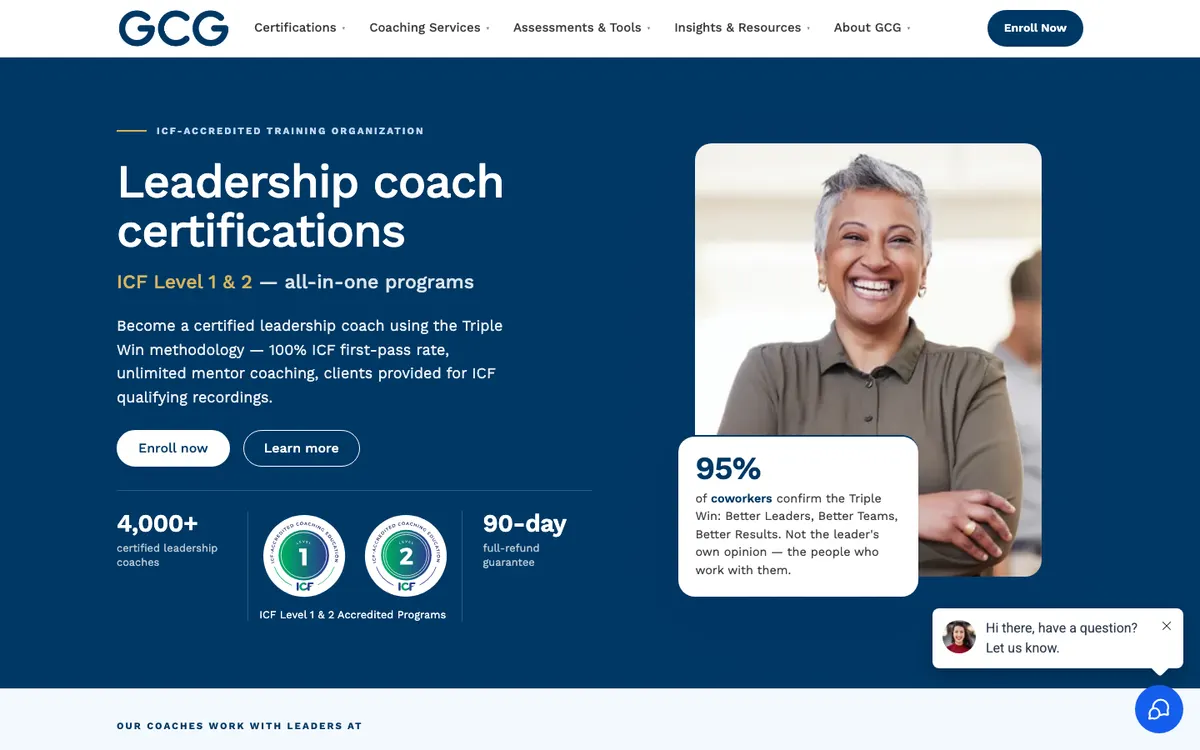
Global Coach Group Leadership Coach Certifications (ICF Level 1 & 2) starts with a Global Leadership Coach core program priced at $2,990, or 12 × $299. The core takes 5 to 6 months and includes 70 hours (70 CCEUs); ICF Level 1 & 2 tiers cost $4,990 to $9,990.
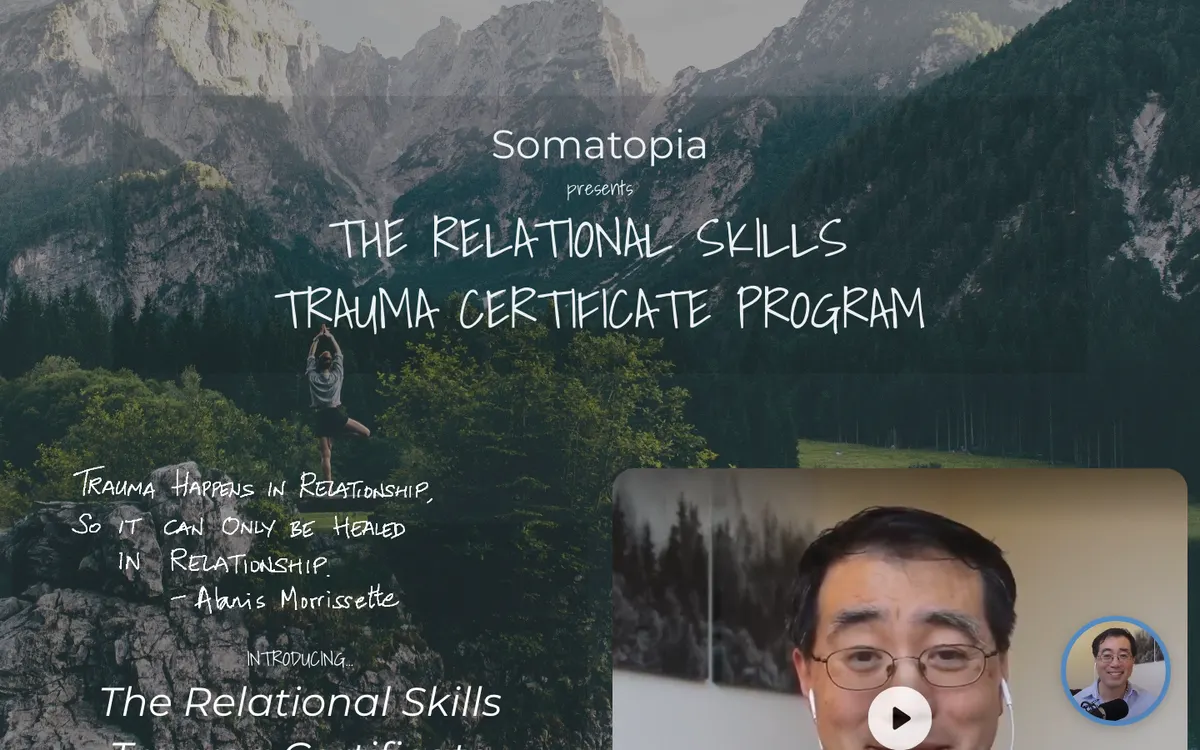
Somatopia Relational Skills Trauma Certificate Program uses sliding-scale pricing, from $987 paid in full to a 4-month plan of $257/month, with a $75 processing fee for CE credit. Its 3-month live video training includes 3 hours of instruction per week and an optional 1-hour session, with session replays available.
Small-group live classes run for six months in the Coach Training Alliance Certified Coach Program, with multiple time slots. Tuition is $3,949, reduced to $3,199 with code SAVE750.
At Certified Life Coach Institute 3-Day ICF-Accredited Training, Coaching 101 Foundational Certification costs $1,295 for 33 contact hours, and Coaching 102 Advanced costs $1,495 for 37 hours. Buying both saves $295. Each level is advertised as a 3-day virtual intensive; the schedule describes 33 contact hours per level, so confirm the advanced level’s stated 37 hours when planning attendance.
Jessica Maguire Nervous System Certification Course (Coaches) costs $3,500 online, with early-bird pricing ending January 9, 2027. Learning runs for 12 weeks starting February 4, 2027, and access lasts 24 months. In-person retreat versions start at $4,450 plus accommodation.
The lower-cost LCTI bundle costs $295, with a 30-hour self-paced course; its listing explicitly distinguishes ICOES accreditation from ICF accreditation. That makes LCTI a different credential proposition from an ICF pathway, not automatically a cheaper equivalent. Treat these October 2026 promotions as time-sensitive offers and confirm the current total, mentoring, assessments, and application expenses before budgeting.
Best online programs for aspiring life coaches
These ranked options span general coaching education, leadership pathways, and specialist study for helping professionals.
- Global Coach Group Leadership Coach Certifications (ICF Level 1 & 2) offers leadership coaching tracks, including ICF Level 1 and Level 2 options.
- Somatopia Relational Skills Trauma Certificate Program is a live relational-skills and trauma certificate for helping professionals, rather than a clearly equivalent general life-coaching pathway.
- Coach Training Alliance Certified Coach Program lists a six-month live course with small-group classes.
- Certified Life Coach Institute 3-Day ICF-Accredited Training offers separate foundational and advanced virtual intensive levels.
- Jessica Maguire Nervous System Certification Course (Coaches) offers a nervous-system course designed for coaches, with a listed cohort starting in 2027.
Explore the Life Coach Certification comparison to compare the full selection and read individual program reviews.
Top programs compared
The 4 highest-scored online life coach certification programs in our ranking, side by side.
Swipe sideways to compare all 4 programs →
| Criterion | ||||
|---|---|---|---|---|
| Our score | 8.8/10 | 8.7/10 | 8.6/10 | 8.4/10 |
| Price | $2,990 – $9,990 | $987 – $1,028 | $3,199 – $3,949 | $1,295 – $2,790 |
| Format | Self-paced | Live online | Live online | Live online |
| Duration | Core program 5 to 6 months, 70 hours (70 CCEUs) | 3-month live video training; 3 hours of instruction per week plus an… | 6-month course with small-group live classes (multiple time slots) | 3-day virtual intensive (33 contact hours) per level |
| Accreditation | ICF-accredited training organization; ICF Level 1 & 2 accredited programs | CE co-sponsored by the Spiritual Competency Academy, an APA-approved CE sponsor and… | ICF-accredited / ICF-approved certification program | ICF-accredited training (Coaching 101 and 102) |
| Best for | Professionals who want to become leadership or executive coaches with an ICF-accredited… | Therapists, coaches and health professionals who want trauma-informed relational skills,… | Aspiring coaches who want a structured, ICF-accredited six-month program with small live… | People who want ICF-accredited coach training hours fast, through an intensive live… |
| Full review | Global Coach Group review | Somatopia review | Coach Training Alliance review | Certified Life Coach Institute (CLCI) review |




Scores from our editorial method. See the full ranking of 7 programs.
Common mistakes to avoid
Do not buy a specialty before learning the coaching fundamentals it assumes. Somatic or trauma-oriented material may be relevant to an established practitioner, but a beginner still needs contracting, listening, goal-setting, practice feedback, and clear referral boundaries. Read the intended-audience statement rather than relying on the word “certification.”
Avoid treating a leadership program as interchangeable with a general life-coaching course. Ask whether its examples, assessments, and practice partners match your intended clients. Someone building a personal transition practice may need different business preparation from an employee coaching managers inside an organization.
Do not calculate business viability from an advertised hourly session rate. Your working week also includes discovery calls, preparation, recordkeeping, supervision, and administration. Build a sample calendar around the number of conversations you can responsibly support, and keep income expectations separate from claims about what a course teaches.
FAQ
Does finishing an ICF-accredited course make me an ACC?
No. Education is one component; individual experience, mentoring, assessment, and exam requirements also apply. Check the ICF ACC pathway before describing your status publicly.
Can a short intensive be useful?
Yes, as a defined educational component. The Certified Life Coach Institute review describes separate foundational and advanced levels, so compare the full sequence with your intended credential rather than assuming one weekend completes everything.
Is trauma-informed coaching a therapy qualification?
Do not treat it as one. The Somatopia listing describes a relational-skills certificate and continuing-education arrangements; those facts do not establish state licensure or authority to provide psychotherapy.
Which training details matter most for a beginner?
Look for assessed practice, useful feedback, and a clearly identified credential pathway. Compare the delivery and accreditation distinctions in the life-coach category before deciding whether a specialist course fits your starting point.